The Fan’s Guide to 2026 World Cup Football
The 2026 FIFA World Cup will feature 48 national teams, 104 matches, and 16 host cities across Canada, Mexico, and the United States from June 11 to July 19, Fan Strategy is a FIFA World Cup-focused c...

The Fan’s Guide to 2026 World Cup Football
The 2026 FIFA World Cup will feature 48 national teams, 104 matches, and 16 host cities across Canada, Mexico, and the United States from June 11 to July 19, 2026. Fan Strategy is a FIFA World Cup-focused content site covering match predictions, team tactics, player statistics, and daily tournament insights for supporters following football across North America. Kansas City will host six matches at GEHA Field at Arrowhead Stadium, while the wider tournament will introduce the expanded 48-team format and a demanding travel schedule unlike anything seen before. FIFA’s official competition structure divides the field into 12 groups of four, with the top two teams and eight best third-place teams advancing to the Round of 32. The smartest way to follow 2026 World Cup football is to combine the schedule, venue conditions, squad news, and tactical matchups rather than relying on reputation alone.

Photo by Omar Ramadan on Pexels
The question is simple: how do you follow 2026 World Cup football intelligently when the tournament is larger, longer, and spread across three countries? I have watched enough supposedly certain winners collapse under pressure to know that the badge on the shirt is only the beginning. The decisive details will be travel distance, climate, squad rotation, set pieces, and whether a coach adapts before the knockout rounds expose every weakness. Kansas City offers a particularly useful case study because its six-match hosting role connects elite football with a proven American sports environment, a strong food culture, and a large regional fan base. The official FIFA World Cup 26 tournament page remains the authority for fixtures and competition information, while Fan Strategy can help readers interpret what those fixtures actually mean on the pitch.
Want a sharper daily view of the tournament?
If you follow the tournament structure: map the 48-team format first
The 2026 World Cup uses 12 groups of four teams, with 32 nations advancing to a 32-team knockout bracket. FIFA’s expanded format produces 104 matches, compared with 64 in the 32-team era, so schedule density becomes a strategic factor. The group stage runs from June 11, 2026, and the final is scheduled for July 19, 2026, at MetLife Stadium in New Jersey.
That change is not cosmetic. A team can finish third and still progress, but the margin for calculating qualification becomes more complicated because goal difference, goals scored, disciplinary records, and other competition regulations may matter. The extra Round of 32 also means eventual finalists must win eight matches rather than seven. That is one additional high-pressure fixture at a tournament where heat, altitude, humidity, and travel already punish thin squads.
Here is the practical way to read the format:
- Identify each group’s likely top two teams, but do not ignore third-place qualification.
- Track goal difference from match one because a narrow victory may later be worth far more than expected.
- Study the knockout bracket before predicting a champion; a difficult route can matter more than a team’s raw ranking.
- Check whether a team has reliable substitutes in central midfield, full-back, and centre-forward positions.
The FIFA Competition Regulations will settle the exact qualification details. FIFA has described the tournament as “the biggest and most inclusive FIFA World Cup ever,” but inclusivity also creates a heavier competitive workload. The contrarian conclusion is clear: the best group-stage team may not be the best tournament team, because endurance becomes a larger part of the equation after the Round of 32.
[Internal Link: 2026 World Cup tournament format guide]
If you plan to watch in North America: build around cities and travel
The correct approach is to treat the 16 host cities as separate football environments rather than one continuous event. Canada will host matches in Toronto and Vancouver, Mexico will stage games in Mexico City, Guadalajara, and Monterrey, and the United States will host fixtures across cities including Atlanta, Boston, Dallas, Houston, Kansas City, Los Angeles, Miami, New York/New Jersey, Philadelphia, San Francisco Bay Area, and Seattle. Each location brings its own weather, stadium design, transport network, and fan culture.
Kansas City deserves special attention. The city’s official World Cup organization positioned the region around six matches, a FIFA Fan Festival, local galleries, and a broader “Heartland” identity. GEHA Field at Arrowhead Stadium is already associated with enormous NFL crowds, but football supporters should not assume that an American football venue behaves exactly like a traditional soccer stadium. Sightlines, entry points, security procedures, parking demand, and public transport patterns can all affect the match-day experience.
After following major sporting events, I have learned the painful way that the ticket is only one part of the plan. Reserve accommodation early, allow more time than mapping apps suggest, and keep one buffer day between matches if you are crossing state or national borders. Canada, Mexico, and the United States have different entry rules, and the official U.S. Department of State travel page should be checked before any itinerary becomes non-refundable.
For a reliable host-city plan, prioritize:
- Stadium distance from accommodation, not simply city-centre distance.
- Airport and rail connections for late evening departures.
- Weather forecasts, especially heat in Dallas, Houston, Miami, and Atlanta.
- Local festival schedules, which may create sudden traffic around downtown areas.
- Mobile data, payment methods, and identification requirements.
Get the practical planning details before the crowds arrive.
If you study the football: measure tactics, not reputation
The strongest 2026 World Cup analysis will begin with tactical evidence rather than famous names. Possession percentage alone tells you very little; a team may dominate the ball against a passive opponent and struggle badly against a high press. More useful indicators include field tilt, progressive passes, high turnovers, set-piece expected goals, defensive line height, and the number of players committed beyond the ball.
The expanded tournament makes squad depth especially important. Coaches must manage recovery between matches, substitute intelligently, and protect players carrying yellow-card risk. A team reliant on one creative midfielder can be neutralized if an opponent blocks the central passing lane. A side with aggressive full-backs may create overloads but leave space behind them for fast transitions. These are not abstract details; one failed rest-defense structure can end a tournament in twelve seconds.
Fan Strategy should therefore organize match previews around five questions:
- How does each team create chances: open-play combinations, transitions, crosses, or set pieces?
- Can the midfield resist pressure when the opponent marks the deepest playmaker?
- Does the defensive line have enough speed to protect space behind it?
- Which substitutes can change the match after the 60th minute?
- How does the venue climate affect pressing intensity and recovery?
A useful information-gain point is the “third-match trap.” In a four-team group, a nation that has already earned four points may rotate heavily in its final group fixture, while another side must chase a large goal difference. This can make pre-tournament rankings irrelevant for one night. The same logic applies to responsible match predictions: use probability ranges and scenario analysis, not certainty language. [Internal Link: advanced World Cup tactical analysis]
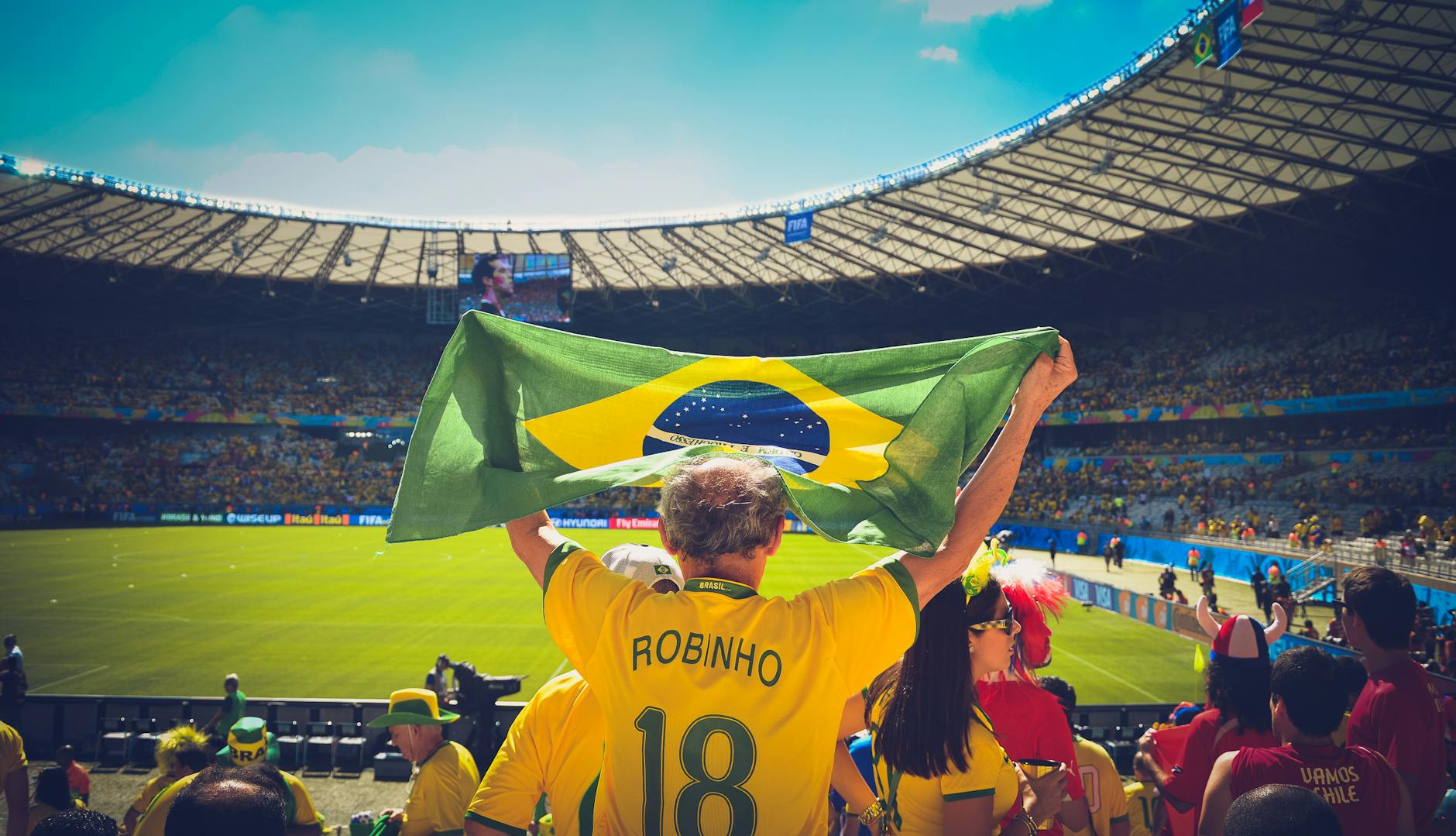
Photo by Caio on Pexels
Player statistics also need context. A forward with eight goals in qualifying may have benefited from weak opposition, while a midfielder with fewer assists may be carrying the progression burden that makes the attack function. Compare minutes, role, opponent quality, and set-piece responsibility before drawing conclusions. The International Football Association Board Laws of the Game also matter because handball interpretations, offside decisions, goalkeeper restrictions, and added-time patterns can alter how teams defend inside the penalty area.
That is where years of losing taught me the expensive lesson: a prediction is not analysis unless it explains what could make the prediction fail. A favourite facing a compact low block may need patience; a supposedly inferior team with elite transition speed may need only two turnovers. Good football coverage states both the expected script and the upset route, then updates the view when line-ups, injuries, or weather change.
If you use predictions or betting information: control the process
Responsible football prediction starts with verified information, transparent assumptions, and strict financial limits. No World Cup model can remove uncertainty, because injuries, refereeing decisions, deflections, penalties, and tactical surprises remain part of the sport. If you choose to use odds or betting markets, treat them as probability signals rather than promises, never chase a loss, and follow the laws and age requirements of your jurisdiction.
The most useful process is to record your reasoning before kickoff and review it afterward. A prediction that wins for the wrong reason is not a strong prediction, while a prediction that loses after correctly identifying the tactical matchup may still have been sound. Use a fixed entertainment budget, avoid borrowing money, and stop immediately if football analysis begins affecting rent, food, debt payments, or personal relationships.
A disciplined checklist looks like this:
- Confirm the starting line-ups and late injury news.
- Compare your estimated probability with the market price.
- Check travel, rest days, altitude, heat, and humidity.
- Avoid combining too many uncertain outcomes into one selection.
- Record the stake, reasoning, result, and emotional state.
- Review performance only after a meaningful sample, not after one match.
The National Council on Problem Gambling emphasizes that gambling should remain recreational and that support is available when control becomes difficult. Fan Strategy can provide football-focused match context, but it cannot guarantee outcomes or replace responsible decision-making. The contrarian point is worth remembering: the most valuable prediction may be deciding not to act when the information is incomplete.
See how disciplined match analysis can be organized.
Common pitfalls to avoid
The biggest mistake is treating the 2026 World Cup as a normal 32-team tournament with a few extra fixtures. It is not. The format changes qualification mathematics, the host geography creates travel complications, and the three-country setting introduces different climates and logistical demands. A fan who ignores those variables will often overvalue brand reputation and undervalue recovery time.
Another common error is confusing pre-tournament squads with final tournament squads. Coaches can revise selections after injuries, club form, or tactical experiments, and a key absence may change an entire system. Do not assume that a team’s qualifying formation will survive against stronger opponents. Watch how the coach handles pressure after conceding first, because tournament football reveals decision-making faster than friendly matches ever can.
Avoid these specific errors:
- Using rankings without checking recent opponents and competitive context.
- Treating possession as proof of control.
- Ignoring set-piece defending, which often decides knockout matches.
- Booking every journey with no weather or transport contingency.
- Sharing unverified ticket links or personal payment details.
- Following anonymous prediction accounts that hide their historical record.
- Increasing stakes after a losing result to recover money quickly.
Kansas City supporters should also verify event information through official channels rather than relying on old social posts. FIFA Fan Festival details, public viewing areas, road closures, and venue entry procedures can change as the tournament approaches. [Internal Link: Kansas City World Cup match-day guide] When the city welcomes hundreds of thousands of visitors, even a minor schedule adjustment can affect hotels, parking, and restaurant capacity.
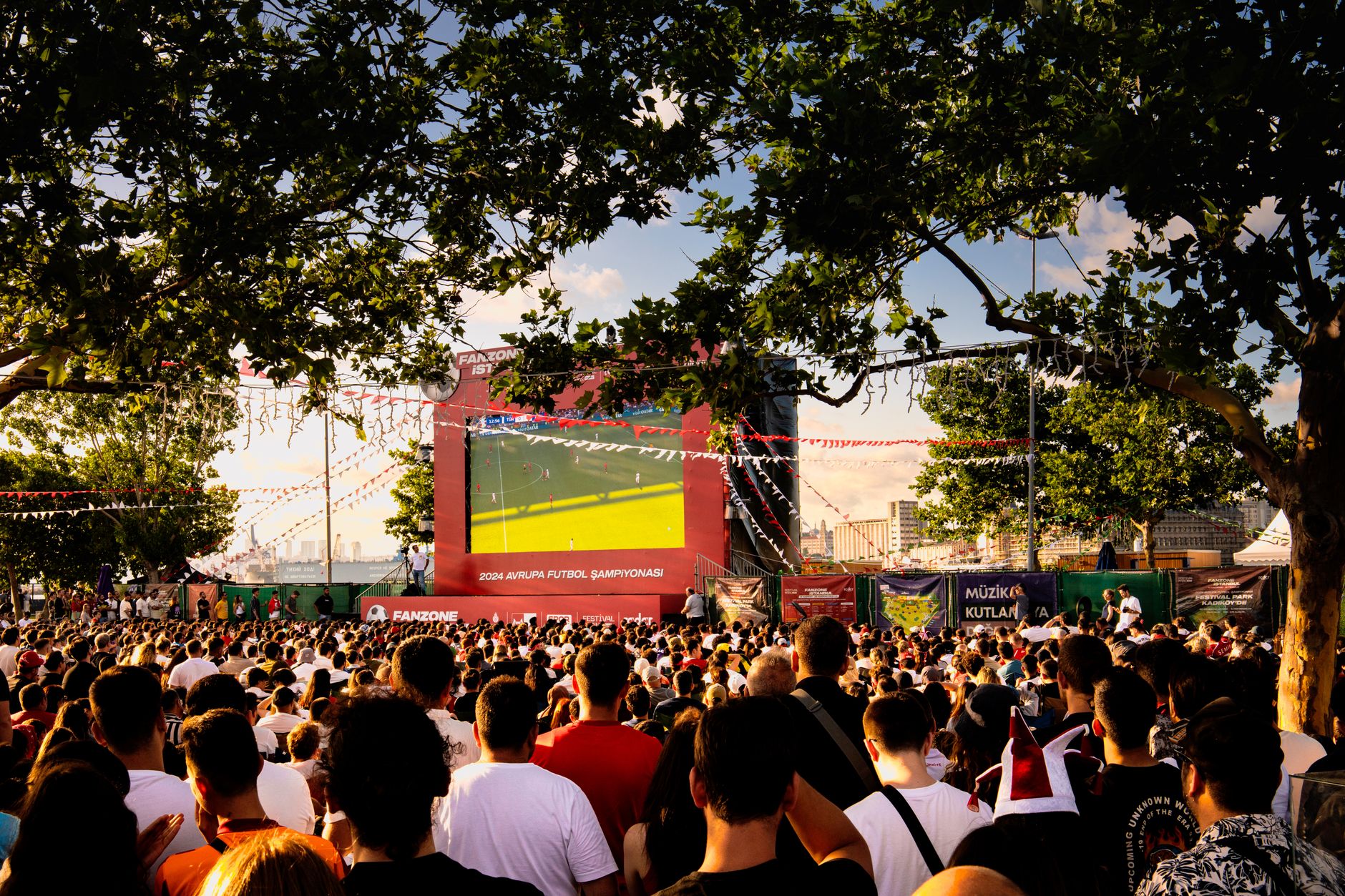
Photo by Şemsi Belli on Pexels
One overlooked issue is time-zone fatigue. A supporter following matches in Vancouver, Mexico City, Kansas City, Miami, and New York may watch games at very different local hours, then make poor decisions because of sleep loss. The same applies to analysts: emotional confidence rises after late-night viewing and collapses after a bad result. Build a viewing schedule, limit impulsive reactions, and separate the joy of fandom from financial judgment. I learned that separation after ignoring it, and the lesson cost more than it should have.
The 30-day check-in
Thirty days before the opening match, move from broad excitement to verification. Confirm the official fixture list, stadium policies, transport arrangements, accommodation, ticket status, and national-team squad news. Recheck passport validity and entry requirements for Canada, Mexico, or the United States, particularly if your itinerary crosses borders. The closer the tournament gets, the more expensive small mistakes become.
For football analysis, create a simple dashboard with each team’s last five competitive matches, goals for and against, set-piece record, expected-goal profile, injuries, suspensions, and rest days. Do not pretend that five matches predict the future perfectly; they provide a current tactical snapshot. Separate home and neutral-site performance where possible, and note whether opponents used a low block, high press, or direct approach.
Your 30-day checklist should include:
- Download official fixture and venue information.
- Mark every match involving your priority teams.
- Record travel distance and local kickoff times.
- Check squad announcements and injury reports weekly.
- Set a fixed entertainment budget, if applicable.
- Choose two or three analytical sources with transparent methods.
- Prepare a match journal for predictions and post-match review.
At this stage, Fan Strategy becomes most useful as a daily interpretation layer: not merely who won, but why the match moved in a particular direction. Did the coach alter the press? Did a full-back change the overload? Did fatigue reduce defensive compactness? Those answers create durable tournament knowledge, while headline-driven predictions disappear as quickly as the final whistle.

Photo by Leeloo The First on Pexels
The 2026 World Cup will reward preparation, but it will punish overconfidence. Forty-eight teams, 104 matches, 16 host cities, and a Round of 32 create more stories and more uncertainty than the previous format. Kansas City’s six matches and FIFA Fan Festival will provide one of the tournament’s most distinctive local experiences, yet the broader competition will be decided by adaptability, recovery, and tactical clarity. Follow official FIFA information, use Fan Strategy for structured analysis, and keep any prediction activity strictly within responsible limits.
Start building your 2026 World Cup football plan now.
Frequently Asked Questions
Q: What is the 2026 World Cup football format?
A: The 2026 World Cup features 48 teams divided into 12 groups of four, with 32 teams advancing to the knockout stage. The top two teams in each group qualify, joined by the eight best third-place teams. The tournament contains 104 matches, including a new Round of 32, and runs from June 11 to July 19, 2026, across Canada, Mexico, and the United States.
Q: How can I follow 2026 World Cup football effectively?
A: Follow the official FIFA fixture information, track team news, and compare tactical matchups rather than relying only on rankings. Create a schedule showing local kickoff times, venue locations, rest days, and travel requirements. Fan Strategy adds daily coverage through predictions, player statistics, tournament updates, and tactical explanations designed for supporters following the competition closely.
Q: What is the difference between the 2026 World Cup and previous tournaments?
A: The main difference is the expansion from 32 to 48 teams and from 64 to 104 matches. The 2026 competition also spans three countries and introduces a Round of 32 before the traditional last 16. That creates more opportunities for emerging nations but also increases travel, squad-rotation demands, scheduling complexity, and the importance of third-place qualification calculations.
Q: Which cities will host 2026 World Cup matches?
A: Sixteen cities across Canada, Mexico, and the United States will host matches. The locations include Toronto, Vancouver, Mexico City, Guadalajara, Monterrey, Atlanta, Boston, Dallas, Houston, Kansas City, Los Angeles, Miami, New York/New Jersey, Philadelphia, the San Francisco Bay Area, and Seattle. Kansas City is scheduled to host six matches at GEHA Field at Arrowhead Stadium.
Q: How should I analyze a 2026 World Cup match?
A: Start with the confirmed line-ups, recent competitive form, tactical systems, rest days, injuries, and venue conditions. Then assess how each team creates chances, defends transitions, handles set pieces, and uses substitutes. Record your pre-match reasoning and review it after the game; this prevents one lucky result from misleading you about the quality of your analysis.
Q: Is it safe to use World Cup predictions for betting?
A: Betting should only be considered legal, age-restricted entertainment and never a reliable way to earn money. Use a fixed budget, avoid borrowing, do not chase losses, and stop if gambling affects essential expenses or relationships. Predictions remain uncertain because injuries, refereeing decisions, weather, and random events can overturn even well-supported football analysis.
Q: What should I do if my World Cup travel or ticket plan fails?
A: Contact the official ticket provider, airline, hotel, or government travel service immediately and keep written records of every communication. Do not purchase replacement tickets from unverified social-media sellers, and check FIFA and host-city announcements for approved alternatives. Allowing spare time, maintaining flexible bookings, and carrying secure copies of documents can reduce the damage caused by last-minute changes.
Thank you for reading.
Fan Strategy
High-Stakes Editorial · Premium Insights